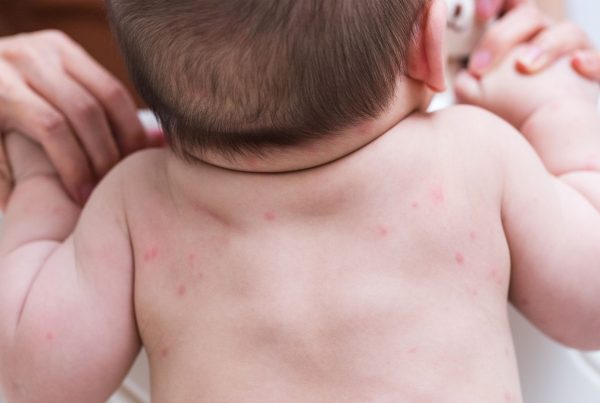


Probiotics are often seen as a safe, natural way to help kids with eczema. Many parents try them hoping to support gut health and calm inflammation, especially when they want to avoid relying too much on creams or medications.
But here’s the thing: not all probiotics work the same way. Some strains may help, while others can actually make eczema worse in certain children.
In this article, we’ll talk about which probiotic strains to avoid for children with eczema, so parents know what to be more careful with.
Summary:
• Histamine-producing Lactobacillus strains should be avoided
• Certain mixed probiotic blends can be risky
• Products containing inulin may cause a reaction in some infants
Read on to find out more!
Do Probiotics Actually Help Eczema?
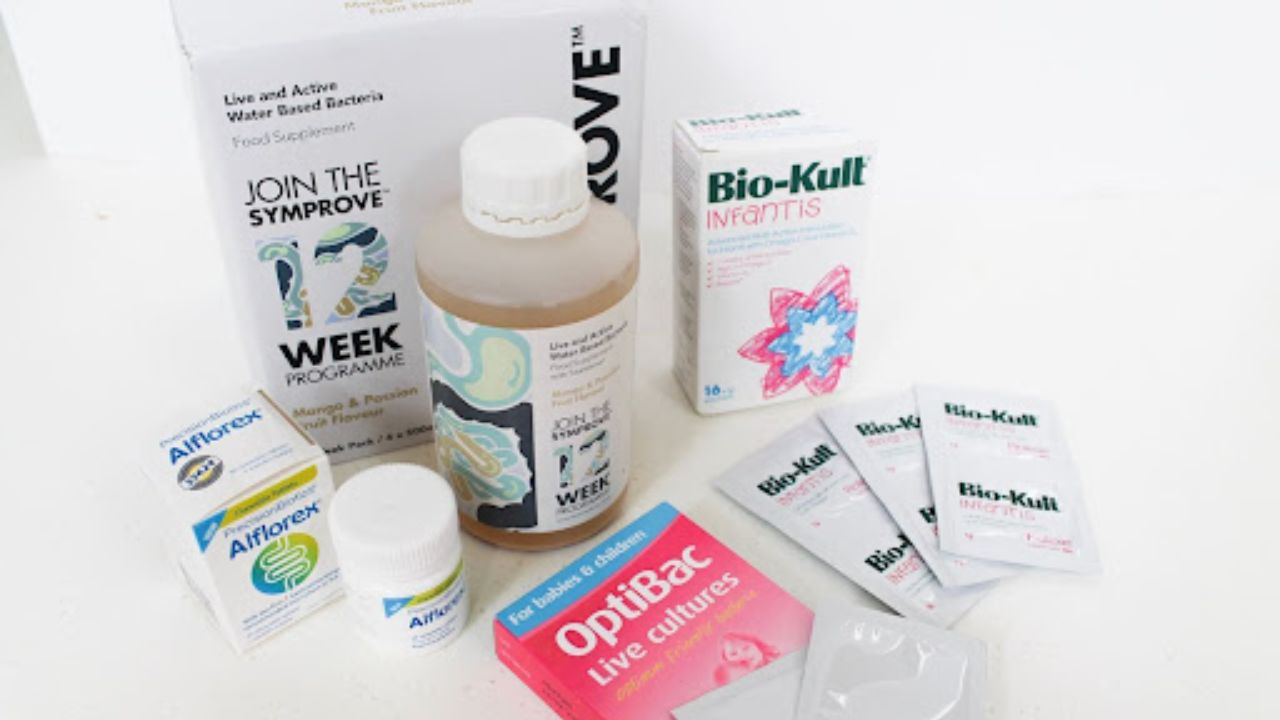
Probiotics are often recommended for eczema as a one-size-fits-all solution. Walk into any pharmacy, and you’ll see labels promising immune support, gut balance, and healthier skin.
It sounds logical: if eczema involves the immune system, then fixing the gut should help.
But eczema isn’t caused by a single problem, and probiotics don’t work like vitamins. They actively interact with the immune system, and in some children, that interaction can be unpredictable.
While certain strains may help calm inflammation, others can stimulate immune activity or increase histamine production, two things that may trigger itching, redness, or flare-ups instead of improving symptoms.
This is why some parents notice no improvement, or even worsening eczema, after starting probiotics.
Why Some Probiotics Can Worsen Eczema?
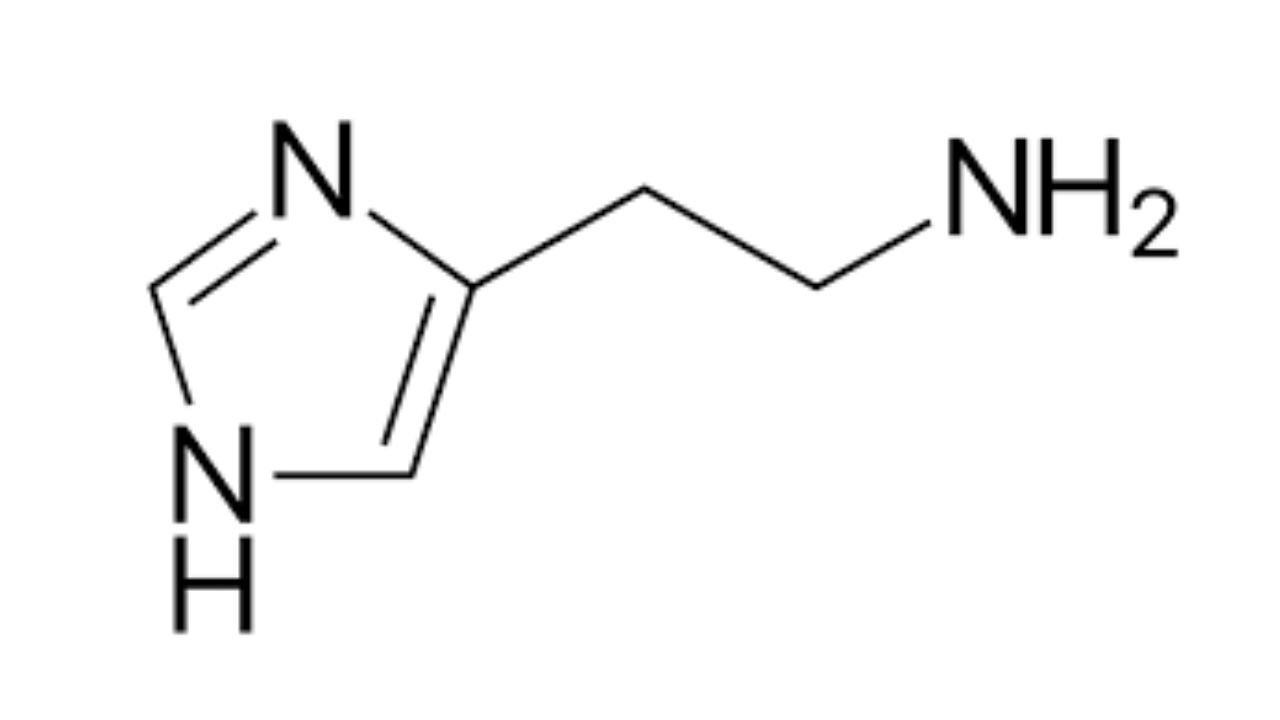
Not all eczema flare-ups are caused by external triggers like food or skincare. In some cases, the reaction starts internally through a compound called histamine.
Histamine plays an important role in digestion and immune defense, but it is also the same chemical involved in allergic reactions. Normally, the body keeps histamine levels in check using an enzyme called Diamine Oxidase (DAO), which breaks down excess histamine before it causes problems.
When histamine builds up, either because DAO activity is low or because more histamine is introduced into the body, the immune system can become overstimulated. For children prone to eczema, this can translate into increased itching, redness, and skin inflammation.
This is where certain probiotics can unintentionally backfire. Some probiotic strains naturally produce histamine during fermentation and metabolism. When these strains are taken regularly, especially in high doses or multi-strain blends, they may add to the body’s histamine load rather than reduce inflammation.
In children with sensitive skin or histamine sensitivity, this added burden can be enough to trigger or worsen eczema symptoms, even when the probiotic is otherwise considered healthy.
4 Probiotic Strains That CAN PRODUCE Histamine

These probiotic strains to avoid for kids eczema contain the histidine decarboxylase (HDC) enzyme, which converts histidine into histamine and may increase histamine levels in the body, potentially worsening eczema symptoms in sensitive children, so you may want to AVOID them:
1. Lactobacillus Reuteri ATCC PTA 6475
2. Lactobacillus Parabuchneri (multiple strains)
3. Lactobacillus Casei TISTR 389
4. Lactobacillus Delbrueckii subsp. bulgaricus TISTR 895
Probiotic Strains That Are NEUTRAL

These strains do not produce histamine because they lack the HDC enzyme.
- Bifidobacterium Animalis Subsp. Lactis BA05
- Bifidobacterium Animalis Subsp. lactis BS01
- Bifidobacterium Breve B632
- Bifidobacterium Breve BR03
- Bifidobacterium Longum 04
- Bifidobacterium Longum Rosell®-175
Probiotic Strains That Down-Regulate HDC Activity

Also, there are some strains that actually downregulate the hdc activity:
- Bifidobacterium infantis
- Bifidobacterium longum
A rat model using Lac‑B (mixture of Bifidobacterium infantis + Bifidobacterium longum) showed the opposite pattern of histamine production: Repeated oral Lac‑B reduced nasal allergy‑like behavior, histamine H1 receptor (H1R) mRNA, histidine decarboxylase (HDC) expression and activity, and histamine content in nasal mucosa. This suggests bifidobacteria can down‑regulate host histamine synthesis and receptor expression, providing an anti‑allergic effect rather than adding bacterial histamine.
- Bifidobacterium bifidum BGN4
This paper says timing of supplementation matters. If supplement with bifidobacterium bifidum after say, sensitization, or only after 12 months, then it won’t have much effect on reducing the intensity of atopic eczema.
- Lactiplantibacillus plantarum LP115
Confirmed by: Potential Role of Probiotic Strain Lactiplantibacillus plantarum in Control of Histamine Metabolism
- Lactobacillus plantarum D-1033
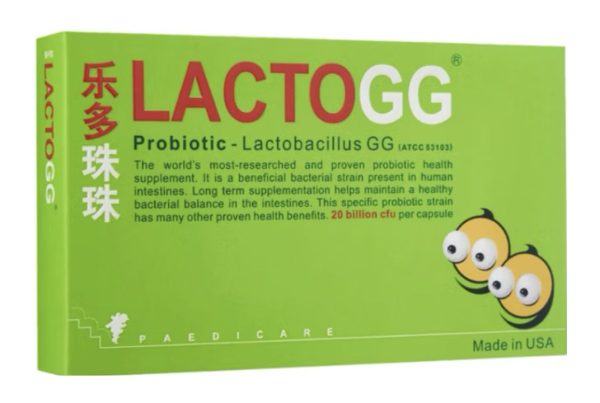
- Lactobacillus rhamnosus GG
- Lactobacillus acidophilus MCL15
Anti-Histaminic Probiotic Strains
According to this paper, these five lactic acid bacteria (LAB) strains were found to produce an antibacterial compound with inhibitory activity against the tested histamine-producing bacteria:
- Pediococcus Acidilactici MCL11
- Leuconostoc Mesenteroides MCL12
- Enterococcus Faecium MCL13
- Lactobacillus Sakei MCL14
- Lactobacillus Acidophilus MCL15
Probiotic Strains That Are Considered Safe
According to International Journal of Food Schience and Technology, Oxford Academic:
- Lactobacillus Acidophilus LA02
- Lactobacillus Lactis Subsp. Lactis
- Lactococcus Lactis Subsp. Lactis
- Lactobacillus Casei LC03
- Lactobacillus Crispatus LCR01
- Lactobacillus Fermentum LF08
- Lactobacillus Fermentum LF10
- Lactobacillus Gasseri
- Lactobacillus Helveticus Rosell®-52
- Lactobacillus Paracasei 8700:2
- Lactobacillus plantarum 299v
- Lactobacillus Plantarum 6595
- Lactobacillus Plantarum HEAL19
- Lactobacillus Plantarum HEAL9
- Lactobacillus Plantarum LP01
- Lactobacillus Rhamnosus GG
- Lactobacillus Rhamnosus LR06
- Lactobacillus Rhamnosus Rosell®-11
- Lactobacillus Salivarius LS01
- Saccharomyces Boulardii CNCM-I-745
- Streptococcus Thermophilus FP4
Caveat: Not all L. fermentum strains have been tested for hdc status. LF08 and LF10 are confirmed neutral. L. fermentum GM090 has not been formally screened, but its use in a 220-child pediatric eczema RCT showed no aggravation signal.
Highlight on Saccharomyces boulardii CNCM-I-745
In a mouse model of ovalbumin‑induced atopic dermatitis, oral Saccharomyces Boulardii CNCM I‑745 reduced skin lesions, itching behavior, inflammatory cell infiltration, IgE levels, and pro‑inflammatory cytokines by down‑regulating NF‑κB signaling in both skin and colon, suggesting an anti‑inflammatory “gut–skin axis” effect.
Highlight on Lactobacillus Gasseri Species
In an ovalbumin‑induced atopic dermatitis (AD) mouse model, oral Lactobacillus Gasseri BCRC14619 had the following effects:
- Significantly improved skin appearance
- Reduced epidermal/dermal thickness
- Lowered eosinophil and Langerhans cell infiltration in lesions
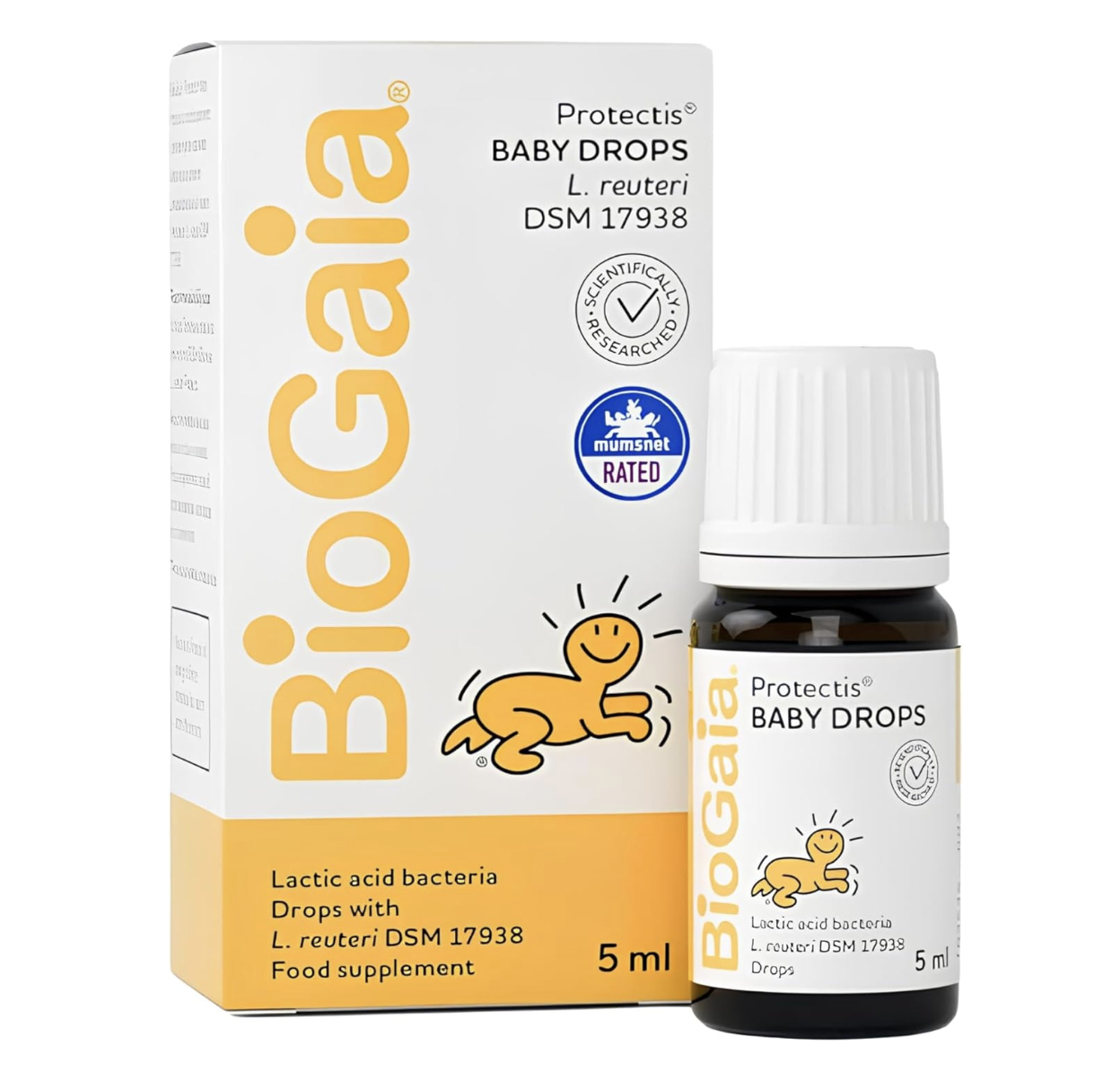
Some parents may ask whether BioGaia products are safe for children with eczema. If we take a closer look, BioGaia’s probiotic for kids uses Lactobacillus reuteri DSM 17938. Currently, there is no evidence showing that L. reuteri DSM 17938 produces histamine. Based on available research, this BioGaia product should therefore be safe for children with eczema.
How to Choose Probiotics Without Triggering Eczema Flares

If you are considering probiotics for a child with eczema, how you choose and introduce them matters just as much as the product itself.
- Start by checking the label for the full probiotic strain name, not just the species. Different strains behave differently in the body, and knowing the exact strain helps reduce guesswork if a reaction occurs.
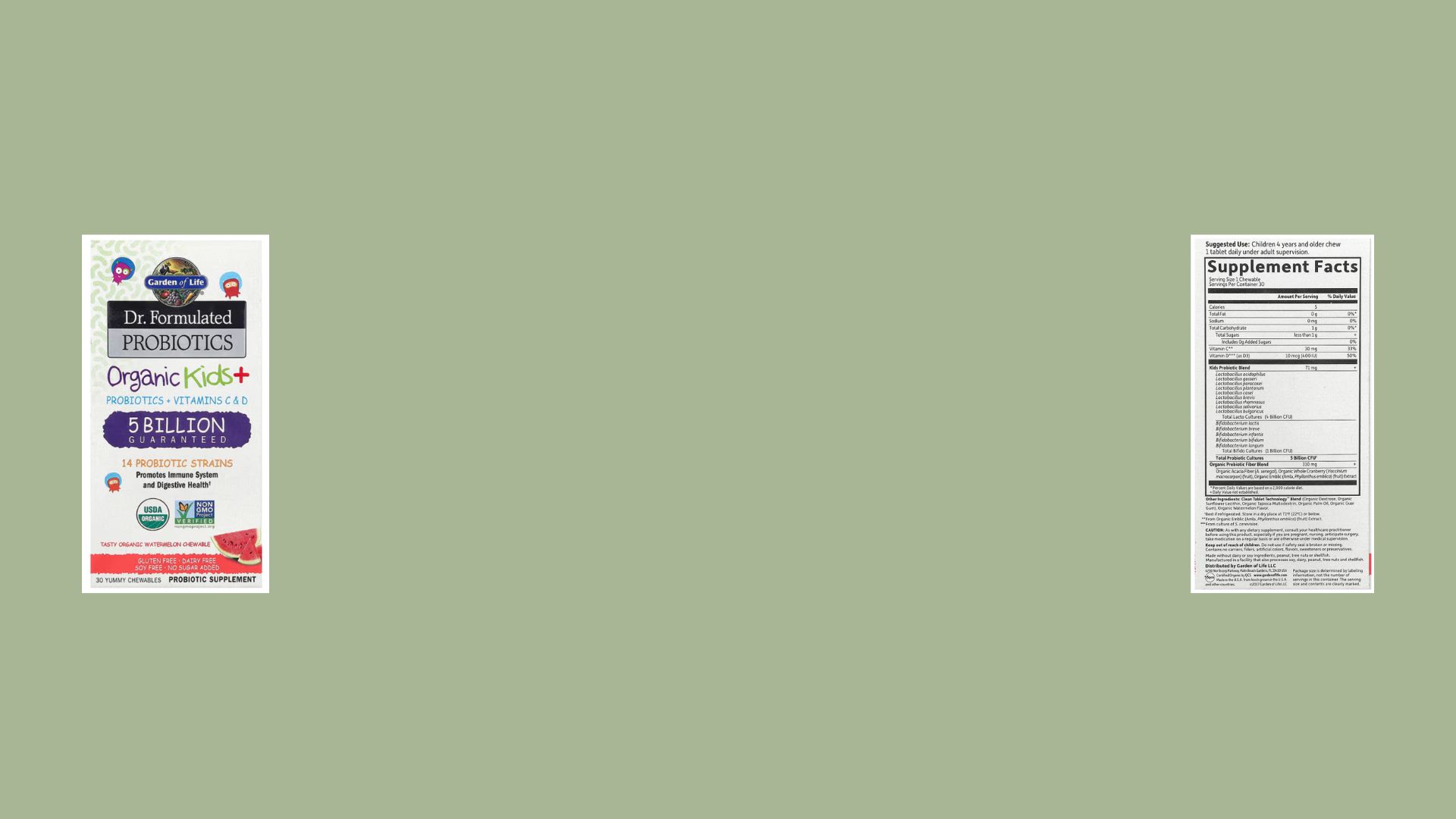
- Avoid starting with complex, multi-strain blends. Choose a single-strain probiotic or a product with very few strains so it is easier to track how the skin responds.
- Begin with a low dose and increase gradually over several days. This gives the immune system time to adapt and makes it easier to spot early signs of itching, redness, or irritation.
- If histamine sensitivity is a concern or if previous probiotics have caused flares, consider a non-histamine-producing option such as Saccharomyces boulardii. As a yeast-based probiotic, it does not produce histamine and is often better tolerated by sensitive children.

Who Am I?
Dr. Mark uses Chinese Herbs to reduce inflammation and tweak the immune system. At Chinese Doc Singapore, he treats allergic asthma, allergic rhinitis and atopic dermatitis. His PhD is on Steroid-dependent Eczema, and he has been treating TSW in children and adults for over a decade.