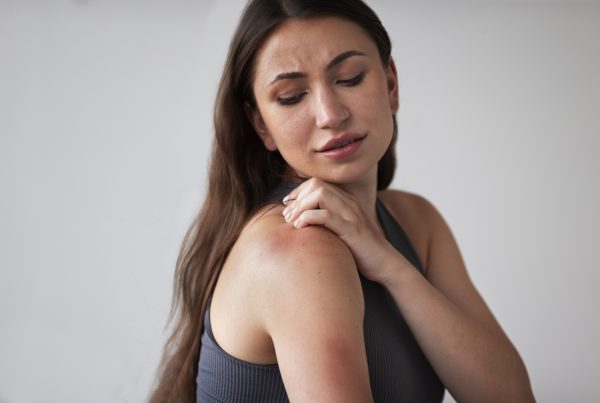
If you’ve been using topical steroids for skin conditions like eczema or psoriasis and recently stopped, you may be facing the frustrating and painful effects of Topical Steroid Withdrawal (TSW). This challenging journey often involves ups and downs, leaving you feeling uncertain about what lies ahead.
The truth is, TSW recovery can take time, but with the right approach and support, healing is achievable. In this article, I’ll explore the different phases of TSW and explain how CAP treatment for TSW recovery can play a crucial role in your healing process. I’ll also share practical tips to help make your recovery journey a bit smoother.

Topical Steroid Withdrawal, or TSW, occurs when someone stops using topical steroid creams after extended use. These creams are prescribed for various skin conditions, but long-term use can lead to a dependency. When stopped, the body reacts, causing symptoms like skin inflammation, intense itching, and oozing. For many, this recovery feels slow and unpredictable, but understanding the process can bring clarity.
How Cold Atmospheric Pressure (CAP) Help with TSW

I use CAP treatment for TSW recovery and my focus is on safety, to adjust treatment based on the patient’s response.
CAP stands for Cold Atmospheric Pressure, a cutting-edge, non-invasive method that targets inflammation at the cellular level. CAP therapy works by applying cold plasma directly to the affected areas of the skin.
This plasma, consisting of ionized gas, generates reactive oxygen and nitrogen species that help reduce inflammation, promote skin regeneration, and combat harmful pathogens like bacteria and viruses.
One of the biggest benefits of CAP treatment for TSW recovery is its ability to accelerate the skin’s healing process. By reducing inflammation, it helps soothe the redness, burning, and itching that are common symptoms of TSW.
If you want to know more about how CAP therapy works specifically for TSW, you can read my detailed article titled “Why CAP Treatment for TSW Is Life Changing for Your Skin”.
Factors That Affect TSW Recovery

TSW recovery isn’t a one-size-fits-all process. Here are some of the main factors that impact how quickly or slowly someone recovers:
- Condition severity when starting treatment.
- Steroid usage history, including how long and how strong the steroids were on different parts of the body.
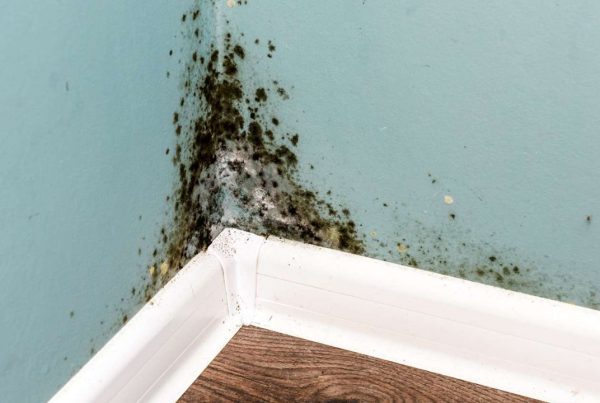
- Lifestyle factors, like your diet, home and work environments, stress levels, and self-care habits.
- Risk of infection, which can prolong the healing process.
- Mental and emotional health. TSW affects more than just your skin. It can impact your mood, social interactions, sleep, and overall quality of life. A good support system is essential during recovery.
The 4 Phases of TSW Healing
From my experiences of working with many patients, I have had patients who made significant recovery from 4th month onwards and I also have patients who are still struggling after 8 to 9 months of weekly treatments.
But, most TSW patients go through four key healing phases:
1. Redness and Inflammation
The first phase usually brings intense redness and swelling, especially in the spots where topical steroids were used. This can go on for weeks or even months, along with severe itching and a warm sensation in the skin. It’s an uncomfortable period, and many feel physically drained. What’s happening here is that your body is reactivating its immune response, which had been suppressed by the steroids. It’s a necessary but tough step as your skin starts to heal itself.

2. Oozing and Crusting
After the redness, many people find that their skin begins to ooze and crust over. You might notice fluid seeping out, which then dries and forms scabs or crusts. This phase can be particularly challenging because of the visible skin damage, and there’s also a higher risk of infection. Some people have dry, cracked skin with minimal oozing, while others experience more wet, weeping areas. Although it may look and feel rough, this is a critical time for healing, as those crusts are actually protecting the new skin cells forming underneath.

3. Flaking
Next, you’ll probably go through a stage where your skin starts to flake—a lot. This is a normal part of the healing process, as the skin sheds dead cells and makes way for fresh ones. While it might be uncomfortable, seeing those large flakes come off is a sign that your skin is on the mend. It can feel dry and sensitive, and how long this phase lasts can vary, from weeks to even months.

4. Skin Remodeling
Next, you’ll probably go through a stage where your skin starts to flake—a lot. This is a normal part of the healing process, as the skin sheds dead cells and makes way for fresh ones. While it might be uncomfortable, seeing those large flakes come off is a sign that your skin is on the mend. It can feel dry and sensitive, and how long this phase lasts can vary, from weeks to even months.

Regarding Phase 2 (Oozing & Crusting)
How Phase 2 present really depends on whether you are Hot & Dry or Hot & Wet.

Phase 2 (Hot & Dry)
Some patients, especially those with a Hot and Dry presentation, present with minimal oozing and crusting. Their thin skin may crack, and there can be slight ooze, but there are no clear discoid erosions.

Phase 2 (Hot & Wet)
Others, who present as Hot and Wet, will have to deal with weepy discoid erosions and more severe oozing and crusting. These are much more difficult to manage due to susceptibility to bacterial infection.
Final Thoughts
It’s important to note that these phases don’t always follow a neat timeline. Some people move quickly through them, while others may remain in one phase longer.
It’s also common for different parts of the body to be at different stages, and areas that seem healed may regress, which is frustrating but normal.
Patient Shares Her Experience
Summary: Tips for Managing TSW
If you’re navigating TSW, here are some helpful tips:
- Stay patient. The journey isn’t a straight line, and setbacks are normal.
- Track your triggers. Certain foods, environments, or stressors may cause flare-ups. Identifying them can help you avoid unnecessary discomfort.
- Consistency is key. Stick to your skin care routine, whether it’s moisturizing or undergoing regular CAP therapy.
- Lean on support. Surround yourself with people who understand what you’re going through. It can make a big difference during tough times.

Who Am I?
Hi, I’m Fynn, and I’ve been a Lymphatic Drainage therapist for almost 15 years. For the last decade, I’ve focused on helping people going through Topical Steroid Withdrawal (TSW), using CAP therapy in tandem with lymphatic drainage. I believe that my multi-modal approach allows me to better support their healing.
I know how physically and emotionally draining TSW can be because I’ve walked this path with many patients, and I’m here to help you find relief.
Each person’s journey is unique, and I tailor my treatments to your specific needs. Whether you’re at the beginning of your TSW recovery or further along, I’m dedicated to supporting you with compassion and expertise.
Book In For Lymph and CAP
Final Thoughts on TSW Recovery
Topical Steroid Withdrawal recovery takes time, patience, and a willingness to stick with it, even when things feel like they’re moving backward. But healing is possible.
With CAP therapy, lymphatic drainage, and a supportive network, you can get through this. Remember, it’s not about how fast you heal but staying committed to the process and giving your skin what it needs!
FAQs
1. How can I speed up my TSW recovery?
To speed up TSW recovery, consider using Cold Atmospheric Plasma (CAP) treatment, which helps recover the skin microbiome and promotes wound healing. Additionally, eliminating trigger factors like food or chemical intolerances can reduce inflammation. Some individuals have also reported rapid progress with the No Moisture Treatment (NMT), which involves strictly avoiding emollients and reducing water intake under medical supervision. Natural remedies like aloe vera and proper wound care can also support the healing process.
2. Can you fully recover from TSW?
Yes, full recovery from TSW is possible. While recovery times vary, many individuals have reported complete healing. The duration can range from a few months to up to three years, depending on factors like the potency of the steroid used and its application duration. With patience and the right approach, full recovery is achievable.
3. How can I speed up skin regeneration?
To speed up skin regeneration during TSW, consider using Cold Atmospheric Plasma (CAP) treatment, which promotes wound healing and increases skin regeneration rates. Proper wound care, including keeping the skin clean and avoiding excessive movement of fragile crusts or scabs, is also crucial. Natural remedies like aloe vera and skincare products that support skin health can aid in the regeneration process. For some, avoiding moisturizers (NMT) can stimulate the skin to build its own barrier, potentially speeding up regeneration.